Panaji, July 9:
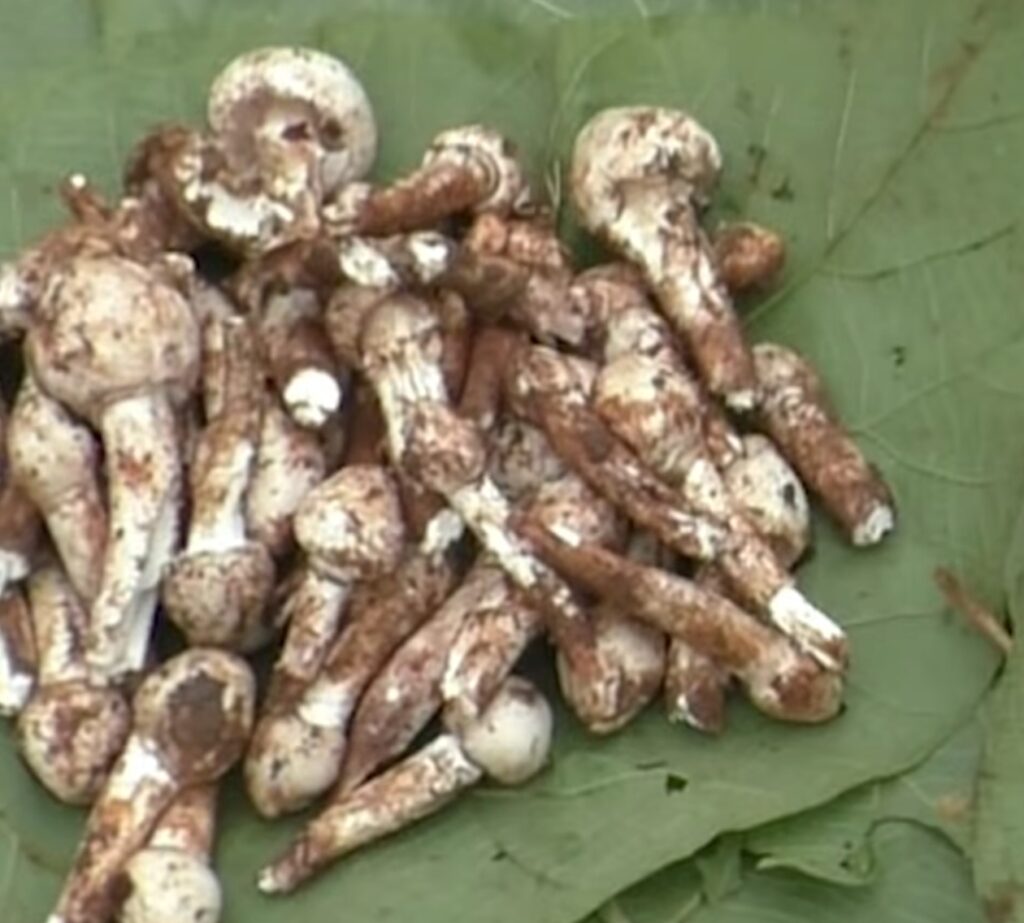
The Goa State Biodiversity Board (GSBB) has raised serious concerns over the rampant overharvesting of Roen Alami, a wild edible mushroom species highly sought after during the monsoon season. The board has issued a public appeal urging people to refrain from encouraging the unsustainable consumption of these mushrooms, citing threats to the region’s biodiversity and ecological balance.
The Roen Alami, which naturally grows on termite mounds, holds traditional and culinary significance in Goa. However, the GSBB has observed a sharp rise in unregulated foraging and commercial harvesting, particularly in rural and forested areas. This unchecked exploitation is leading to the depletion of the species and affecting the regeneration of termite mounds that play a crucial ecological role.
“We understand the cultural and economic value of Roen Alami, but we are deeply concerned about its unsustainable harvesting,” the board stated. “We urge foragers to follow sustainable practices and leave behind at least 50% of the young mushrooms on termite mounds to ensure regeneration.”
The Board also appealed to consumers to consider alternatives such as button and oyster mushrooms, which are not only more affordable but also rich in nutrition and easier to cultivate.
In its advisory, GSBB emphasized that the conservation of wild mushrooms like Roen Alami is essential to maintaining the natural balance and supporting long-term ecological health. The board is likely to collaborate with local panchayats and biodiversity management committees to spread awareness and enforce sustainable harvesting norms.
With monsoon mushroom season in full swing, the GSBB’s advisory comes as a timely reminder for responsible foraging practices and ecological stewardship.